
How can I manage grief and Christmas, especially a family Christmas?

Since the COVID pandemic began, many people have experienced Christmases that have been dramatically different to previous years. With lockdowns many people could not travel to see family. During that time also people died. Funerals were delayed until relatives could attend. People didn’t get to say goodbye. Families didn’t get together so the death of the family member was not able to be grieved fully.

Now restrictions are lifted. People can travel to see each other.

With family get togethers at Christmas resuming for many, there is a chance of a resurgence of old tensions. There is also adjusting to the different family makeup with the loss of those who have died.

WHAT WILL CHRISTMAS LOOK LIKE FOR YOU THIS YEAR?

There is such societal pressure for Christmas to be magical. The shows on television, the ads, the social media posts of perfect Christmases. All these things influence your belief around Christmas needing to be perfect.

So we arrive at this perfect Christmas Day stressed and most likely yelling at each other. So now we are stressed and upset.

Now add Grief to that mix!

When you are struggling with grief and the absence of people who once were part of your life it seems that everyone else is having a better Christmas than you. And there is that feeling that you should be doing that too.

It seems everyone wants to present to the world their perfect Christmas. But not that many people experience that perfection at Christmas. After all, who wants reality at Christmas? We are all programmed for perfection and who wants to admit they don’t have it.

The more people you add to the Christmas mix, you greater the chance your Christmas will not be perfect. It is wise to remember that.

HOW JANIE* HANDLED CHRISTMAS

Janie’s Father died just after Christmas 30 years ago. She remembers sitting with him on Christmas Day and him wishing her Merry Christmas. It was the last time he spoke to Janie before he died.

The next Christmas, Janie said Merry Christmas to her father and set an empty place at the table for him. She has done that every year since then.

ROBERT* AND HIS CHILDREN HAD A DIFFERENT APPROACH

Robert and his children tried to avoid Christmas after his wife Sally died. The first year they went away for Christmas. They tried to avoid it completely and all the family get togethers.

The next Christmas they put up a new tree with generic decorations as you would see in any business at Christmas. They couldn’t face the special memories of their own tree and decorations. On Christmas day they went to the cemetery instead of getting together with family.

The third Christmas they put up their old tree with all its special memories and set a place at the table for their mother. They decided they needed to remember that life goes on even when the person you love so much is gone. They invited their family to come to them and found it healing to be with people who knew and loved Sally too.

HOW WILL YOU HANDLE CHRISTMAS?

You most likely will not feel like this, but you need to be proactive in your approach to being with others for Christmas.

One suggestion is to let people know what you want from them. They will most likely be worried about whether to mention your loved one, or whether they are a taboo subject. There is no hard and fast rule on this one and most people know that. Let them know how you want them to be. That way you can all experience less stress around what to say.

Let people know if you want to be left alone, or if you want someone to have coffee and a chat with. Let them know if you want the occasional contact to check in on you. Let them know if you appreciate gifts of food or flowers. If you want these things and no contact then let them know you would prefer them to leave it at the front door.

Don’t forget to acknowledge the help people give. You may feel frozen and unable to see anything positive, but you can be aware of the benefits of the care other people demonstrate for you. Thanking them not only lets them know they are doing something that you find helpful, but it is also beneficial for you to express the positive things that happen for you. This helps you engage with life. Something you may not want to do, but need to do.

CARING FOR CHILDREN

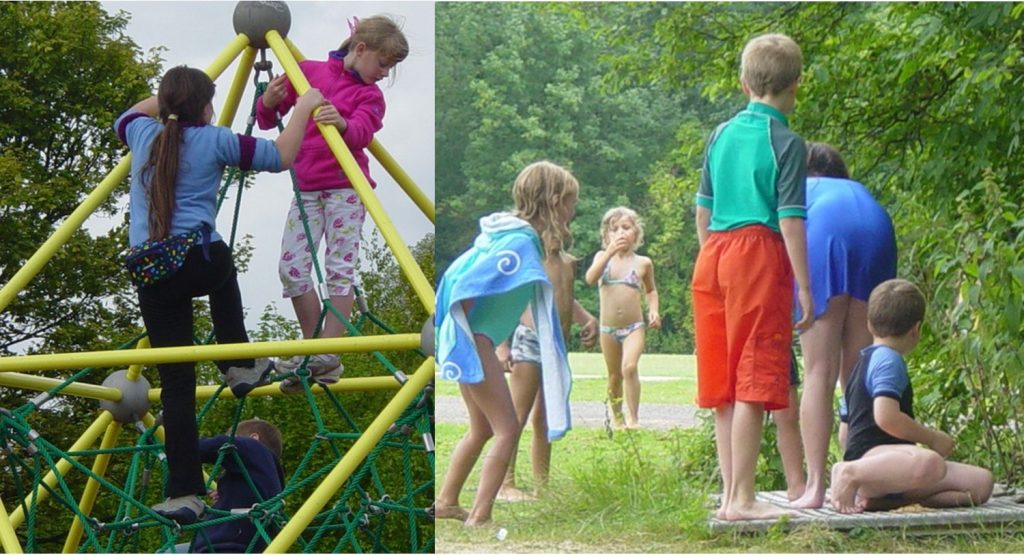
When a loved one dies it is tempting to shut everything down. But if there are children involved you need to have greater consideration. Children need to know life does go on. It might not feel it now, but it will go on. They may also want the stability of routine in their lives.

Christmas is one of the routines they may be relying on for stability.

HOW DO YOU RECONCILE YOUR NEED TO GRIEVE WITH THE NEEDS OF CHILDREN?

It is important to acknowledge your loved one and to include memories of them in the day.

You may decide not to make as big a fuss over the day as other years.

Ultimately you may decide to do at Christmas what makes the children happy.

WAYS TO REMEMBER YOUR LOVED ONE AT CHRISTMAS

Many people set a place at their table for their loved one.

Another idea is for everyone to write down their memories of your loved one and put them in a box under the Christmas tree. This can be unwrapped and the memories read out. Sharing stories together is very unifying and a wonderful way to remember someone, and learn more about them. It also makes it acceptable to include them in Christmas.

Maybe you may like to watch their favourite Christmas movie, or listen to their favourite Christmas song.

Or you may like to add an item to the menu that they particularly loved eating. Then you can eat it as a remembrance of them.

HOW TO MANAGE WITH EXTENDED FAMILY THERE

It is hard facing Christmas without your loved one. It is hard when you have a family get together and you have to negotiate all the festivities while grieving. You always need to consider the needs of children in this mix and that is hard too.

If you do have a family Christmas, let family members know what you expect from them. Don’t forget, they may be grieving too.

It is important to remember that Christmas is never perfect, just as life is never perfect. Have the best day you can and accept the imperfections. Remember it is okay to be sad and even cry. Remember that you grieve because you loved and grief is an expression of love.

TO SUMMARISE

When you are grieving, Christmas is likely to be a time tinged with sadness.

You may like to set an empty place for your loved one. You may decide to not make as big a fuss as other years.

It may take you a few years to feel up to having a big family Christmas again.

Start new rituals that will help you commemorate your loved one. They may be temporary or become an established part of Christmas.

Do find ways to connect to family and friends as well as the wider community. You may for a while seek out support groups of others who are grieving. Healing needs the support and involvement of community as well as individual reflection. Often you will find healing in the support of other community members including your family.

SEEK PROFESSIONAL HELP IF YOU NEED IT

If you need extra help, you may consider seeking the support of a grief counsellor.

If you would like to talk to me about how I can help you with your grief, please contact me on 0409396608 or nan@plentifullifecounselling.com.au

If you would like to learn more, I write a regular newsletter with interesting information, tips, information on courses, and the occasional freebie. At the moment I have a free mindfulness meditation for anyone who signs up to my newsletter. This meditation offers a way to safely explore your feelings and learn to be okay with them. If you would like to subscribe please click on the link here: http://eepurl.com/g8Jpiz

NOTE

*please note that whenever I mention someone in my blogs I never use real names and change the circumstances to de-identify the person who has generously given permission for me to use their story in my blog.

The many faces of grief

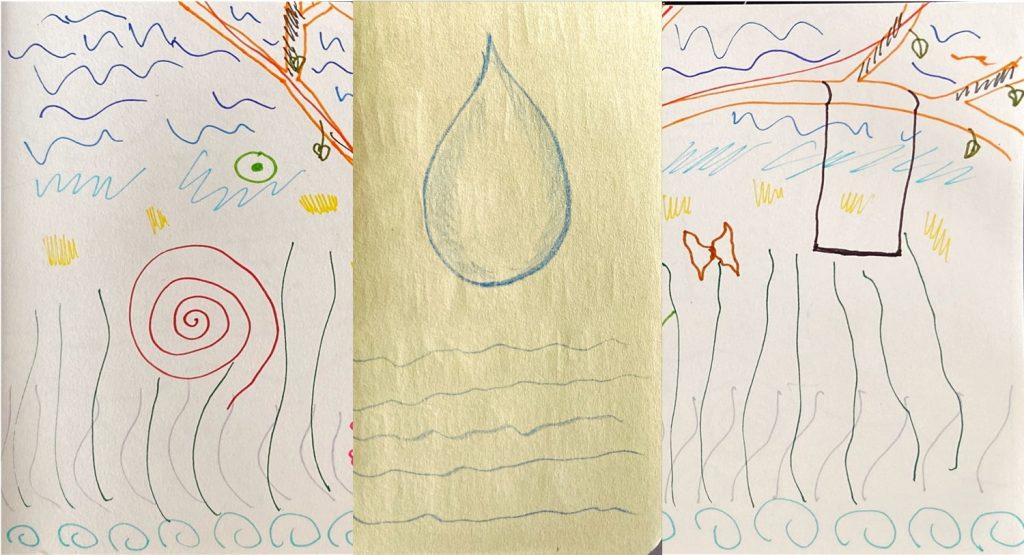
Everyone has a picture in their minds about what grief looks like.

What is your picture?

Here are some comments I have heard over the years:

It is so difficult to sleep, I usually toss and turn until 2-3am.

I sleep so deeply and struggle to get up before 10am.

I had a drive to write special cards for all my friends and family. I didn’t want to do it at home, so I went to the beach and sat in the sun while I made the cards.

I felt so restless and couldn’t sleep. So I spent the night out in the shed chopping up old pallets to reuse the wood.

I just wanted to escape so I went out in my boat.

I can’t seem to stop getting angry with people. Anything makes me angry. People are avoiding me because of it.

I so wanted to talk to my sister. So I wrote a message to her and put it inside a balloon and let it loose. I just watched it floating higher and higher and imagined my sister was reaching out to grab it.

I went to bed, pulled the covers up over my head and didn’t come out.

I haven’t been able to leave the house for weeks. Everything is so overwhelming and scary.

I cleaned the house thoroughly. No room escaped. I even moved the furniture and cleaned behind it. I removed individual books from the book shelves and dusted them thoroughly. Nothing was left untouched. As I cleaned I cried and cried. Eventually my tears ran out and the house was spotless.

I just couldn’t bring myself to get in the shower so I didn’t shower for days.

I couldn’t stand being at home with my thoughts so I went back to work.

As the day drew to a close, I walked to the swings in my local park and sat for hours just swinging.

I went to the gym, all day, every day. I worked and worked to get out the pain. And I jogged there and back home, on the odd occasion I actually went home.

I put on a façade of “everything’s alright” when I was out and with other people. But once I got home I just cried and cried.

I avoided seeing people. I was so embarrassed by the way the tears would just come. We are supposed to be tough. Plus I hated seeing the compassion in other people’s eyes.

I went and talked to my son’s friends. We even shared a joint together. It felt so good to connect with them. It felt like he was there too.

I would drop the children at school and come back home. I couldn’t bring myself to go into the house where she wasn’t so I sat outside in the car willing myself to go inside and crying.

I was given her chair and I used to sit in it and imagine I was sitting on her lap being cuddled.

I see him everywhere and my spirits soar, then I get closer and realise it isn’t him. It is devastating.

I can’t bring myself to drive past the place where he died. I know I have to some day, but for now I just can’t do it.

I planted her favourite rose in the garden. It is flowering now and I sit and watch them and go outside and smell them. When I do that I feel she is here with me.

I still can’t believe he is gone. I wake up and turn to him to say good morning. Then I remember.

I just want to talk to her. We spoke every day. This silence is so hard. I used to tell her everything. Now who do I tell things to?

To finish up, here is a lovely quote I found online:

“Small things can trigger a fresh wave of grief … a smell, a look or perhaps a song … within seconds you are flung into a time machine and are transported back to the ‘moment’ when time stood still, and the world had crashed at your feet.” Zoe Clark-Coates from sayinggoodbye.org

NEED HELP?

Grief is never easy and sometimes you need someone to talk to. If you would like to talk to me about how I can help you with your grief, please contact me on 0409396608 or nan@plentifullifecounselling.com.au

If you would like to learn more, I write a regular newsletter with interesting information, tips, information on courses, and the occasional freebie. At the moment I have a free mindfulness meditation for anyone who signs up to my newsletter. This meditation offers a way to safely explore your feelings and learn to be okay with them. If you would like to subscribe please click on the link here: http://eepurl.com/g8Jpiz

How Grief Helps With Your Loss

Did you know that you have a wonderful, highly effective tool to help you when you lose someone you deeply love?

Inbuilt.

Always available.

Requires careful handling and to be able to do its thing.

What is it?

It is Grief.

Grief is a tool that allows you to change your identity in light of your loss.

It is also a tool that allows you to get to know yourself, the Who Am I self, better. Because losing someone will change who you are and you need to know who you are in order to live.

HOW DOES THIS WORK?

Loss of someone you deeply love is disorienting, devastating, painful, confusing, life upending and self concept destroying.

How do you recover from that?

You do that through grief.

Yes, grief is distressing.

But it also motivates you to work to live. To learn how to live with the reality of the loss of the person you loved so much.

A NOTE OF CAUTION

To live after someone you love dies does not involve ending the relationship with the person.

You will most likely continue to relate to that person.

• You will remember them,

• You may allow yourself to be influenced by their interests, values and the way they loved to live their life,

• You may find your own way of being, recognising the benefits that person brought to your life.

Of course, they are no longer there so you will not be able to go places with them, or do the things together you used to do.

But you can remember the things you did together and the places you went. And you can learn new ways of being.

HOW DOES GRIEF HELP?

The pain of grief, the emotions you feel, help you to understand the things about your relationship with that person that mattered.

It helps you to understand what was important about that person.

Loss takes away your sense of who you are, because who you are was related to the person who is no longer with you.

Grief allows you to explore who you are now. It allows you to consider the things that matter to you including your values, life plans and way of living.

Grief allows you to restructure your life so that you can continue living.

NOTE: GRIEF IS NOT EASY

The pain of losing someone you love will always be hard and hurt.

Grief is not easy. But then change never is.

Learning to live without the person you love is change.

Living is something you are going to continue to do.

Learning how to do that is Grief’s gift to allow you to explore how to live.

GRIEF IS A JOURNEY BEST WALKED WITH OTHERS

Remember this journey is not one you will do on your own.

You may have family and friends who will support you.

You may also wish to get more specialised help from a Grief Counsellor.

If you would like to talk to me about how I can help you with your grief, please contact me on 0409396608 or nan@plentifullifecounselling.com.au

If you would like to learn more, I write a regular newsletter with interesting information, tips, information on courses, and the occasional freebie. At the moment I have a free mindfulness meditation for anyone who signs up to my newsletter. This meditation offers a way to safely explore your feelings and learn to be okay with them. If you would like to subscribe please click on the link here: http://eepurl.com/g8Jpiz

3 Important things to understand about being human

1 Your life is yours alone to live. No one else can live it and no one else totally understands what you are experiencing. They may have some understanding but never total.

2. You are not designed to live your life alone.

3. Loving others means you will encounter loss and grief in your lifetime.

WHAT DOES THIS MEAN?

In your life you will experience grief. No one else will totally understand what you are experiencing, although some may make an effort to listen to you.

Others will tell you they “know exactly what you are feeling” (which they don’t).

Others will expect you to “be over it already”.

You may feel pressured by past experiences of grief to be over it. Maybe you have even told others the same thing. Now you are on the receiving end and learning fast the reality of grief.

THE REALITY OF GRIEF IS OFTEN PRETTY AWFUL

Experiencing grief brings with it many paradoxes. One is that you need the support of others, but you don’t want to mix with others.

The thought of having to explain yourself to others is overwhelming.

The thought of others not listening to you or trying to shut down your grief is daunting.

Add to that the fact that it is exhausting having to interact with others while dealing with such a difficult time.

BEING ALONE

You are very likely to want to be alone.

Being alone is okay. We all need alone time to reset and recharge. Alone time allows you to process things you are feeling. It allows you to be able to cope with the demands of interacting with other people.

There is alone time and there is social time. There is the support of others and there is time to process alone.

In the early days of your grief you may well want to be alone. That is okay. There are a number of overwhelming emotions to deal with. You need time to reflect. You also need time to grieve. To honour the emotions.

ANOTHER PARADOX.

Alone time is important.

But too much alone time is harmful.

Initially you may want to be alone, or you may want to be surrounded by people.

Sooner of later you will find yourself preferring alone time.

People will tell you that you shouldn’t be alone and will put pressure on you to go out more.

Only you can know what is right for you.

It is okay to go out and enjoy yourself without your loved one. It is also okay to stay at home and continue to process their loss.

My general rule of thumb is to make a decision to go out occasionally but also to make a decision to allow yourself to stay home occasionally as well.

IT IS ALWAYS HELPFUL TO HAVE SUPPORT WHEN YOU ARE GRIEVING

Having someone to bounce ideas off, to help you on those days when you can’t get it together, to give you hugs when you need them, to allow you to cry when you want to, is really helpful when you are grieving.

If you feel you are not grieving “properly” then it is helpful to seek a grief trained counsellor. I see a lot of people who make the appointment to see me because they believe they are not grieving properly. In most cases, they are grieving in a completely healthy way.

If you are concerned it is helpful to seek counselling.

If you feel you don’t have support and you really need it, it is helpful to seek counselling.

If you see me I can help you explore what is right for you and to feel more secure about what feels right for you at this stage in your life.

HOW TO CONTACT ME FOR HELP

If you would like to talk to me about how I can help you with your grief, please contact me on 0409396608 or nan@plentifullifecounselling.com.au

If you would like to learn more, I write a regular newsletter with interesting information, tips, information on courses, and the occasional freebie. At the moment I have a free mindfulness meditation for anyone who signs up to my newsletter. This meditation offers a way to safely explore your feelings and learn to be okay with them. If you would like to subscribe please click on the link here: http://eepurl.com/g8Jpiz

Anguish and Grief

Many people who come to see me describe their grief.

They talk about collapse as a result of unbearable and traumatic swirls of emotions.

This has occurred when their loved one has died, when they have found out their loved one’s death is imminent, even some time after the loss of their loved one.

The feeling they were experiencing was anguish.

Anguish is an almost unbearable and traumatic swirl of shock, incredulity, grief and powerlessness. A feeling so overpowering that it affects the entire body. Anguish causes a crumpling in on yourself, even a collapse.

This extreme state has been little researched. As though researchers cannot bear to be close to such an extreme and awful feeling.

You only have to look at the synonyms for anguish to get an understanding of how horrible a feeling it is:

• agony

• grief

• heartache

• heartbreak

• misery

• sorrow

• suffering

• torment

• woe

• affliction

• distress

• torture

• wretchedness

It most definitely is not:

• delight

• happiness

• health

• joy

• comfort

• relief

• contentment

• joyfulness

These words are the opposites of anguish.

Anguish has been described as extreme pain, either of body or mind; and excruciating distress.

It is important to acknowledge that anguish affects all of the body. It involves a crumpling on yourself both physically and emotionally. Many in states of extreme anguish fall down or are unable to remain standing.

From a neuroscientific perspective it happens when your fight/flight mechanism triggers you to act but you cannot actually get away so cannot act. In a state of anguish you will sweat, have a rapid pulse and feel that you are suffocating.

You will also feel intense psychic discomfort and will feel defenceless and powerless to deal with danger.

It is terrifying to experience anguish. And also devastating.

Should you experience it, know it is okay to do so. Yes it is scary, but you will survive it. You will be changed by it, but you will survive it.

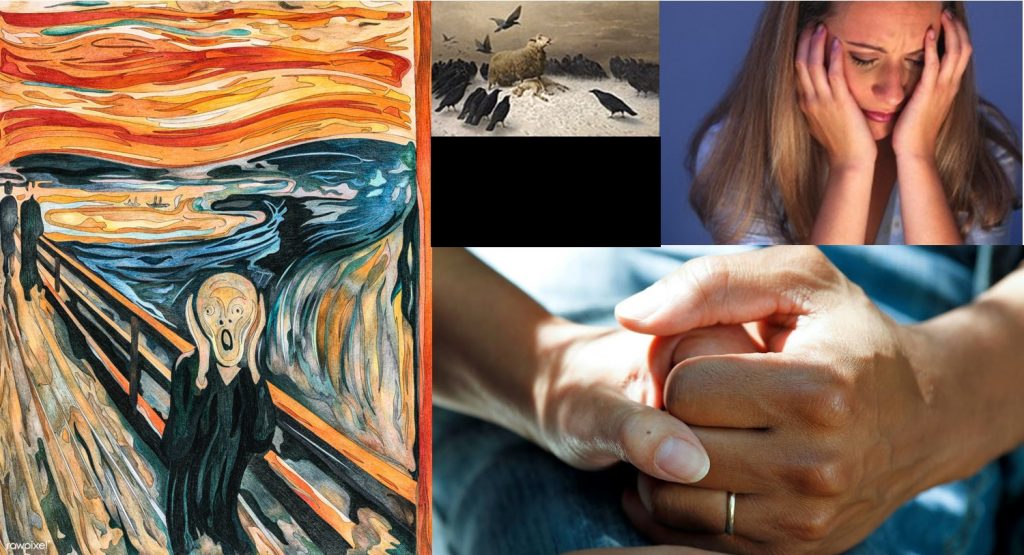
The photo accompanying today’s blog has included some images that describe anguish. The most iconic of those is the painting of the Ewe protecting her dying lamb and seeing the crows gathering around to tear its carcass apart.

Anguish certainly feels like that.

If you would like to talk to me about how I can help you with your grief, please contact me on 0409396608 or nan@plentifullifecounselling.com.au

If you would like to learn more, I write a regular newsletter with interesting information, tips, information on courses, and the occasional freebie. At the moment I have a free mindfulness meditation for anyone who signs up to my newsletter. This meditation offers a way to safely explore your feelings and learn to be okay with them. If you would like to subscribe please click on the link here: http://eepurl.com/g8Jpiz

How to experience sorrow alongside happiness in grief

Do you feel guilty because you are not thinking of your loved one enough?

Do you worry that you mustn’t have loved them enough because there are moments when you don’t think of them and actually feel momentarily happy?

Do you think you should have done more to keep them alive?

MY QUESTIONS TO YOU

If you think it is ridiculous to feel that way that is fantastic.

But if you find yourself feeling that way I acknowledge how hard that is.

And I am asking you some questions.

I am not asking as throw away lines to suggest you should have a different belief. I am asking them because I am genuinely curious to know your thoughts.

Is it okay to never be happy again?

Is it okay to only ever think of your loved one?

Is it okay to live while they have died?

SO MANY PEOPLE FEEL THIS WAY

It is not uncommon to feel this way when your loved one dies.

It feels profane to be enjoying life when someone you loved so much is not able to be alive at all.

At first, your thoughts may frequently turn to the pain of your loved one’s absence in your life.

Any thoughts of happiness are unlikely to invade that pain. But what if they do?

Are you okay laughing at something you probably laughed at before your loved one died? Something you may have laughed at together?

IS PAIN AND HAPPINESS AT THE SAME TIME POSSIBLE?

Can you feel the pain at the same time as you feel happiness?

Researchers have found that people can and do find a way to feel happy again. That they can actually think about other things and just think of their loved one occasionally. That they can be okay living.

But researchers have also found that the happiness exists alongside the sorrow of the person’s loss. The bitter sweet and sometimes downright devastating feelings can exist alongside happiness and joy.

ARE YOU SICK OF BEING SAD AND CRYING?

Many people come to see me because they are sick of feeling sad and crying. They loved their loved one and still miss them terribly, even years later. But they are just sick of the darkness of their grief and they long for the sun.

Maybe you feel that way too?

Maybe you just want to be happy again.

REALITY

I will tell you what I tell others. Yes, it is possible to be happy again and yes you will not always cry this much. But you will always feel sad over the loss of your loved one and you will still cry on occasion.

Sorrow will always be with you. Sorrow at the absence of someone you loved so much from your life. Sorrow at the future they (and you) lost. Sorrow at all the things you will experience without them. Sorrow at the things you planned to do together that you will never do again. Sorrow at the people you no longer have contact with because your loved one was the link to them. Sorrow at so many losses associated with your loved one’s absence.

THE PAIN WILL NEVER COMPLETELY HEAL

Yes, the pain will abate over time, but it will never completely go. It is like that limp you have from a broken ankle that never completely healed. There will always be that reminder of what you had and lost.

And if you loved that person so much, do you really want the pain to completely go away? Do you really want to forget them?

IS LIFE WITH THAT PAIN POSSIBLE?

Can you live if the pain is always there?

People tell me they can live with that pain.

It is not pleasant, but they have found ways to feel it in a safer way.

They have learned to feel the bitter sweet memories of their loved one. And they have learned that sometimes it is okay to be sad, or cry.

They have also learned that it is possible to carry the pain while living and being happy.

Knowing they can do that has actually helped. It has helped to find a way to commemorate their loved one, but still live.

THE EXPANDING OF LIFE INTO A DEEPER RICHNESS

They have found that life has greater depth now. That life is richer and fuller for the added dimension of sorrow that, rather than make everything sad and depressing, actually enhances the happy moments, makes them more special and have deeper meaning. That they take the happy moments more attentively and with more gratitude because they have suffered the pain of loss and appreciate the happy moments that come.

But all this takes time, and determination.

CAN I HELP YOU?

If you would like to talk to me about how I can help you with your grief, please contact me on 0409396608 or nan@plentifullifecounselling.com.au

If you would like to learn more, I write a regular newsletter with interesting information, tips, information on courses, and the occasional freebie. At the moment I have a free mindfulness meditation for anyone who signs up to my newsletter. This meditation offers a way to safely explore your feelings and learn to be okay with them. If you would like to subscribe please click on the link here: http://eepurl.com/g8Jpiz

Positive Changes after Bereavement: Is that actually possible?

In my last blog on Grief, I talked about how you can grow from grief. It sounds bizarre to suggest that something so horrible can lead to positive growth, but it can.

It is important to note that not everyone who grieves will experience positive growth. But a lot of people do.

POST TRAUMATIC GROWTH

You may have heard the term “post traumatic growth”.

This term has been gaining popularity amongst workers in the trauma field. It is the idea that trauma is not always negative. It can also have a positive aspect where the person grows in a positive direction as they recover from their trauma.

BUT THIS IS TRAUMA I AM TALKING ABOUT, NOT GRIEF.

Grief is a traumatic experience and it is included in discussions about post traumatic growth.

Trauma is a highly stressful event that often results in a negative response. Researchers have found that your brain manages the stress in the same way that positive changes can be made in the brain.

What this means is that it is possible after a highly distressing traumatic event to have negative and positive growth.

It is well known that crises in life lead to distressing emotions and it is not unusual for you as you experience these emotions to feel anxious and frightened. You may also feel sad and depressed. These feelings can continue for a long time.

Grief is one of these life crises and it is well known that sadness, a deep longing (otherwise known as yearning) for the person and wishing the person was still alive are common. Feelings of guilt, anger and irritability are also commonly observed in people who are grieving and you may be experiencing these feelings too.

These same experiences are also common in people who have suffered other traumas.

HOW CAN I GROW WHEN I AM SO DEVASTATED?

There is a widespread that trauma always results in negative consequences to the traumatised person. But research has also shown that growth also occurs. In short, that distress you feel can coexist with growth.

Many people feel they go backwards when they suffer grief and for a time that is probably true. But post traumatic growth is not just a return to the way you were, it is actually an improvement that in some people is very obvious.

IS POST TRAUMATIC GROWTH THE SAME A RESILIENCE?

Before I answer that question it is important to acknowledge that grief is not just an intellectual pursuit. Many people try to intellectualise it and fail. Grief is also experiential. You need to allow yourself to experience it in order to process it.

Resilience and Post Traumatic Growth, along with hardiness, optimism and a sense of coherence are personal characteristics that provide the ability of the individual to manage difficulties effectively.

Resilience is the ability to bounce back and continue with life after a difficult event.

Hardiness is an ability to commit to things, control self and face challenges that occur in life. Characteristics of hardiness are considered to be curiosity, being proactive, having a strong belief in your personal effectiveness and being willing to face challenges positively.

Optimism is where you consider positive outcomes will occur … eventually.

A Sense of Coherence is where you have the ability to understand events, can cope with them and even find meaning in them.

Post Traumatic Growth refers to the ability to change and not be damaged by life’s stressful events. This is where you are able to transform your life.

WHAT GRIEF TRAUMA DOES TO YOU

Grief trauma causes you to be somebody else. After a traumatic event it is not possible to go back to being the you that you were before.

It causes you to rethink all that you have previously believed about the reliability and fairness of your world.

You may find the people you thought would stand by you melt away and the ones who support you were people on the periphery of your friend circle. So many people report family rifts opening up and long term friendships ending.

All these changes in the people around you add to the sense of the world you knew ceasing to exist.

You are likely to experience a loss of trust in the certainty and positivity of life.

HOW DO I GROW FROM THAT?

When you suffer such a traumatic event it will always be remembered as traumatic. How can it be okay that this person you loved so much has died?

What researchers have found happens is that, without making a decision to, you will over time make meaning out of this traumatic event.

HOW DOES POST TRAUMATIC GROWTH WORK?

There is within everyone a drive to survive. That drive is now known to continue to operate in the brain even when there is a trauma being experienced. In other words, your desire to survive is existing in your brain alongside your distress as this traumatic event.

This is how it is possible to derive meaning from the event, even when it is so distressing.

As your brain works to survive this distress, your brain is also finding new understandings of the world. It is coming to terms with the uncertainty and unfairness of the world and the changes in support networks that may have occurred.

What this means is that you grow in the aftermath of grief because of your brain seeking to comprehend the new reality of your life with the loss of the person you love, the loss of trust in the world and the loss of some support networks.

WHAT DOES POST TRAUMATIC GROWTH LOOK LIKE?

People who report experiencing this growth report they:

• Feel an increased appreciation of life in general

• Develop more meaningful interpersonal relationships

• Possess an increased sense of personal strength

• Experience changed priorities, and

• Have a richer existential and spiritual life

WHAT SUPPORT CAN I OFFER YOU TO FACILITATE YOUR POST TRAUMATIC GROWTH?

Research has shown that post traumatic growth can be aided by the presence of supportive others to listen, assist you to craft narratives about what has happened and help you explore different perspectives. I will not tell you that in your initial sessions. It is just a process I understand you may undertake at some time.

At first you are likely to be feeling very emotional. You may spend more time crying than talking. That is totally normal and my counselling sessions are safe places for you to cry and express your emotions.

There will come a time when you will be ready to talk about other things some of the time.

REBUILDING YOUR WORLD

Because grief shatters your world you have to rebuild it. Part of this process is examining what the world means to you now. This is an existential experience and you need a counsellor who is comfortable with existential processes. As an existential therapist I am very comfortable with those at times difficult explorations. I can hold that space for you as you explore beliefs and concepts that may seem strange and even scary.

You may experience spiritual challenges and you need someone comfortable with those discussions. This is something I am very experienced in.

TELLING YOUR STORY

It is also important you are able to tell your story and be heard. Society often imposes limits on what the bereaved person is able to share. Many people feel constrained to share their feelings and are afraid to cry in public.

Being heard involves being allowed to talk without the other person telling you their story, or trying to solve your problem, or trying to offer platitudes such as “they are in a better place”, “its all for the best” and so on.

I will listen. I may ask you questions to help you to explore things further, and I will definitely summarise what you are telling me so that you can be sure I am listening to you.

FINDING THE SAFE PLACE TO EXPRESS YOURSELF

It is vital you are able to find somewhere where it is safe and acceptable to cry and share your feelings. Where it is acceptable to share and reshare your stories. This process is vital for processing your grief.

Different people have different needs around how much sharing is needed. Some people are fortunate enough to find a group of family/friends or a support group to allow them to talk and cry without censure. This type of support needs to be long term and consistent. It is unhelpful if family or friends become tired of hearing the stories and stop being supportive. It is also unhelpful if sometimes you get support and other times you are shut down.

Connection to a mutual support group can also be helpful. Being able to share with others who have been through what you are experiencing can help you feel okay to accept new ways of being.

CRAFTING A NARRATIVE

Narratives form a large part of your life and how you see yourself in the world. From family stories of events to your own stories of experiences you are always constructing stories (narratives) about your life. When someone you love dies you will construct many stories about their death, the events that occurred after that, the events in your life together and stories told to you by other people.

In a session with me you will be encouraged to share the narratives that seem important to you. You may not be aware you are doing it. Telling me about the events around your loved one’s death may not seem to be a narrative, but it is.

Narratives are useful in that they guide you to examine questions of meaning around your loved one’s death.

Narratives are not just facts of the events, they also include a lot of emotions. Sharing your narrative allows you to explore those emotions in a supportive environment.

RUMINATION AND HOW IT HELPS

Rumination is often seen as a negative in mental health. This is because the act of replaying negative stories and thoughts (rumination) is seen as being detrimental in depression.

Grief, however, is not depression. The sadness around grief may look like depression but it is not.

People with depression are discouraged from thinking about the negative thoughts.

With grief, however, researchers have discovered that this constant rehashing of events and feelings is beneficial in helping you to make sense of events, problem solve, reminisce and anticipate the future.

According to these researchers rumination in grief and other traumas is conscious, revolves around the event, and involves seeking to achieve a goal or the sorrow around a goal that has not been achieved.

In grief you are thinking about the past and that is something that needs to be worked through. You will also think about the present and the things now that are impacting you. They also need processing. You will also be worrying about what may happen in the future.

THERE ARE ALWAYS MORE LOSSES THAN JUST THE DEATH OF YOUR LOVED ONE.

As you process your thoughts about the loss of your loved one, you will reflect on past events and process anything that has remained unfinished. That is important in processing the grief.

You will also process the things that won’t happen. Examples include:

• You may never achieve your goal of a wonderful trip you had planned with your loved one.

• You may never get to grow old together.

• You may never have children together, or grandchildren, depending on your age.

These losses need to be processed as well.

BEFORE, AFTER AND THE POINT IT ALL CHANGED

In time you will likely find you divide your past into the time before your loved one died, the event of their death, and the time after. You will likely reflect late that the event of their death was a turning point in your life. Nothing was ever the same again. This doesn’t mean the turning point was something positive. It just was a point when your life changed.

There may come a point where you are able to recover the self esteem you may have lost as a result of your grief. You may find you wake up one day and realise you want to make changes in your life and you have the power to do that.

You may also accept the importance of looking after your needs. Part of this process may involve ending relationships that don’t help you anymore.

You will most likely realise that you are responsible for your own healing and your own journey.

None of this is easy, but it is possible if you want it. Enlisting the support of a trained grief counsellor to guide you through can really help.

HOW TO CONTACT ME

If you would like to talk to me about how I can help you with your grief, please contact me on 0409396608 or nan@plentifullifecounselling.com.au

If you would like to learn more, I write a regular newsletter with interesting information, tips, information on courses, and the occasional freebie. At the moment I have a free mindfulness meditation for anyone who signs up to my newsletter. This meditation offers a way to safely explore your feelings and learn to be okay with them. If you would like to subscribe please click on the link here: http://eepurl.com/g8Jpiz

Mental Illness v Mental Injury

I was challenged by an online video by Luke Chao.

In it he discussed the terms mental illness and mental injury.

He spoke about the way we perceive accidents involving physical injury compared to accidents that involve mental impacts.

A PHYSICAL INJURY

He gave a scenario where you are walking down the street and someone runs up to you and slashes your arm. You are hurt and bleeding but you are not sick. Apart from the injury to your arm you are otherwise healthy. No one blames you for being slashed. After all, that is victim blaming, something we are increasingly aware of and seek to avoid doing.

COMPARE THIS TO A MENTAL INJURY

But someone who is suffering from a mental injury is not given the same respect. If you developed PTSD as a result of this random attack you would be described as being mentally ill. This implies that there is something wrong with you, rather than there being something wrong with the people around you or your environment. In the case of the slashed arm, something is wrong with the person who randomly decided to slash your arm.

Suddenly you are being victim blamed. But isn’t that something we try to avoid doing these days?

PHYSICAL INJURIES BUT MENTAL ILLNESS

If you have arthritis in your knee but are otherwise healthy, you just have arthritis in your knee.

If you have anxiety about social situations but are otherwise healthy, you are mentally ill.

Using the term mentally ill suggests there is something wrong with you as a person. The connotation drawn from that term is that you have something wrong with you and you are ill.

Why is there such a difference between physical ailments and psychological ailments?

WHAT COUNSELLOR’S STUDY IN THEIR BACHELOR DEGREES

Luke’s comments reminded me of the rationale behind the subjects I studied in my counselling degree. We not only studied counselling, but also psychology (to better understand behaviour) and sociology (to better understand the environment). We were always taught that we needed to understand the context of a person’s environment and the impact of the people around them to understand what was happening to them.

A HORRIBLE WAY FOR YOU TO BE TREATED

If you walk into my practice room and I just see you as mentally ill, then that implies I just see you as being wrong, at fault.

If I see you as being the cause of your suffering then I don’t look further than you. I pathologise your suffering. I look for dysfunction in you and set out to correct it.

THE WAY I TREAT YOU

But that is not what I do.

Instead, I see your suffering as the result of an injury that has resulted in a completely normal reaction to abnormal circumstances. Sometimes there is more than one injury. Sometimes the injury keeps happening again and again, or has in the past happened again and again.

I look at your environment, including the people in that environment. I look to see how that impacts on you and your suffering.

I believe every person who walks through my door is someone who has been injured as a result of abnormal circumstances. I see you as being a healthy individual who is coping as best you can with a wound.

Interestingly the Greek word for wound is trauma.

Makes sense doesn’t it.

NEED HELP WITH YOUR MENTAL INJURY?

If you would like to talk to me about how I can help you with your mental injury, please contact me on 0409396608 or nan@plentifullifecounselling.com.au

If you would like to learn more, I write a regular newsletter with interesting information, tips, information on courses, and the occasional freebie. At the moment I have a free mindfulness meditation for anyone who signs up to my newsletter. This meditation offers a way to safely explore your feelings and learn to be okay with them. If you would like to subscribe please click on the link here: http://eepurl.com/g8Jpiz

Is it wrong to grieve?

If you listen to other people, or read about grief in the papers, or visit a mental health practitioner with a mental health care plan, you may form the opinion that it is terribly wrong to grieve.

From the number of people who walk through my door with this belief I consider it highly likely that you too have developed that opinion.

Back in the late 1800s Sigmund Freud formed his theories around mental health. He theorised that people were not capable of having more than one relationship and had to break their connection (referred to as “bonds”) with the dead so that you could form new relationships.

This was accepted by generations of psychiatrists and psychologists after him. Of course, it then became generally accepted in the community.

It was fairly natural for that to flow on to a belief in the post World War 2 era for acute grief, the turmoil and devastation in the immediate aftermath of the death of a loved one, to be seen as a psychiatric syndrome.

Instead of being a natural and understandable process, grief suddenly became evidence of a serious disorder.

People were judged by “how well” they were grieving. Some were seen as grieving “better” than others. Those considered to grieve “less well” were labelled as pathological, unresolved, prolonged, chronic and complicated and more …

Suddenly the understandable symptoms of deep sadness, emptiness, nothingness, depression and other behaviours were defined as suffering from a psychiatric disorder.

The whole think is ridiculous, and modern theories around grief largely debunk this, but the belief persists.

A big example of this is that the two international systems to define mental health conditions, the DSM and ICD both include a condition that labels grief as being pathological if the person shows symptoms of grief as little as 6 months after the loss of their loved one!

So people encounter a belief amongst the community and medical/mental health professionals that they are suffering from a mental health disorder and should seek mental health support.

I remember a few months after my mother died that I mentioned to my brothers that I still missed my mother. Their response was that I obviously needed mental health intervention for my unhealthy feeling!

I have lost count of the number of clients who come to me with referrals from their GP that lists them as having a pathological grief reaction when their loved one has only died in the past few months!

I don’t normally use so many exclamation marks, but I find it astonishing, disheartening and horrifying that, rather than getting support, people are pathologized and intervention requested to “cure them of their pathological grief”.

If you come to me telling me that you are still crying a few months after the loss of your loved one I will tell you that this is to be expected and perfectly natural.

I will then talk to you about what current theories say about grief. I will throw in some neuroscience in a readily understandable form to explain how normal your experience is from a neuroscientific perspective. Yes, your brain has a lot of work to do processing grief. It is not pathological for any part of your body to have to make changes. That is your body doing its job.

I will also be curious to understand any fears you may have about crying in public or being visibly upset. A lot of people have that fear because of societal conditioning that says there is something wrong with you if you still cry after the funeral instead of “getting on with life” (whatever that means).

If you come to see me a year or more after the grief and express how you just want to stop crying I will discuss with you the place of sorrow in grief. How research shows that it is possible to feel the desolation of grief alongside the act of moving forward in life.

MORE INFORMATION TO COME

There is so much to say on this subject.

I will be continuing a discussion on this in my subsequent Monday blogs.

I will talk about “continuing bonds” and their role in evaluating your grief.

I will talk about the overlooked intellectual side of grief and how that has been derailed and pathologized.

I will talk about the growth you will make during your grieving and the role of post traumatic growth in this.

I will talk about how desolation and growth can exist together

I will also talk about sorrow, pining, yearning and the “depression” experienced as part of grief.

I will also talk about solace and its role in grieving.

These are all important things to discuss to understand what is happening for you, how okay what you are experiencing is, and how to avoid being pathologized by mental health professionals and society in general over your totally normal grief.

If you would like to talk to me about how I can help you with understanding your grief, being reassured you are not going mad, and surviving the unhelpful interventions of others, please contact me on 0409396608 or nan@plentifullifecounselling.com.au

If you would like to learn more, I write a regular newsletter with interesting information, tips, information on courses, and the occasional freebie. At the moment I have a free mindfulness meditation for anyone who signs up to my newsletter. This meditation offers a way to safely explore your feelings and learn to be okay with them. If you would like to subscribe please click on the link here: http://eepurl.com/g8Jpiz

Ways Children Grieve Differently

There is a general lack of understanding around how children grieve.

People expect children to grieve the same way adults do. For that reason, when the child is seen to happily play it is assumed they have “gotten over” the death of their loved one.

But this is not so.

UNRESOLVED GRIEF IS FREQUENTLY THE ENEMY WITH GRIEF IN CHILDREN

Many adults consider grief the enemy to fight, and therapy to support people in that situation often aims to help people see grief differently. However, with children, unresolved grief is the enemy. Why? Let me explain.

WAYS A CHILD GRIEVES

How a child grieves is determined by a number of factors:

• Their developmental stage,

• Their age,

• How the loved one died,

• What they have already experienced in life, and

• How they see grief modelled by the adults around them.

Researchers have observed that children move in and out of grief. They also need to handle their grief in small periods of time and intensity.

BRAIN DEVELOPMENT IMPACTS ON A CHILD’S WAY OF GRIEVING

One of the main reasons children grieve this way is to do with their brain development and the coping skills they have developed.

Children’s brains develop the ability to cope with overwhelming emotions in stages. Initially they need a lot of shared soothing from caregivers. Over time, they learn to soothe themselves more and need less support. However, frightening events and highly emotional occasions still require a lot of assistance in shared soothing from caregivers.

HAVING A BREAK FROM INTENSE EMOTIONS

Even adults cannot spend 24 hours a day grieving. Much as you may not want to think about anything other than your lost loved one, the reality is you do think about other things.

Just as the child needs breaks from the intensity of emotions, so do you the adult.

This is referred to as dual processing. You have grief to attend to, and you have life to attend to. So you work out a balance between the two. Children do the same, just in smaller doses that their brains allow.

DEVELOPMENTAL STAGES CAUSE THAT GRIEF TO BE REEXPEREINCED

The other thing that happens with children and grief is that the child will often reexperience that grief at different developmental stages. Don’t think that the child will be over the death after a few years. They will often reexperience their grief later in childhood and even into adulthood.

The general rule for children is that under the age of 4 the child will know someone is missing and miss them. They will know there is something wrong. They can’t however really understand what they are experiencing and why the loved one is not there anymore.

HOW TO SUPPORT A GRIEVING CHILD

They will need lots of cuddles from trusted caregivers at the time. As they grow older they will have more questions and much more sadness as they understand more about death and the death of this loved person.

UNRESOLVED GRIEF

When the adults in the child’s life avoid talking about the grief, the child is unable to process the grief and it becomes unresolved grief. They will then often hide their feelings away.

You may see acting out behaviours, depression, anxiety, and disorganisation. You may see anger, often directed at you. These are often signs of unresolved grief that has been hidden away but now needs to be expressed and acknowledged.

EACH GRIEF PILES ON TO THE NEXT ONE

Children don’t only experience grief at the time of their loved one’s death. They also experience this grief at different developmental stages in life. When someone else dies the grief over the previous grief will also be experienced. In fact, we all grieve for the current grief and any past ones that have happened.

NOT BEING ABLE TO SAY GOODBYE

One thing I have found when working with adults still trying to process the death of loved ones in their childhood, is that they were often not included in the death and aftermath of this loved adult. Often children were sent away to stay with relatives and did not see their loved one as they were dying. They are often not included in the funeral. So their opportunity to say goodbye is denied them.

FEELING THE DEATH IS A TABOO SUBJECT

Children can often feel the adults in their life do not want to talk about their loved one. So they lock away their feelings, which are expressed in other ways.

When a child is young when their loved one dies, they are often not able to express what they are feeling. Even if they are there to see their loved one as they are dying and attend the funeral, they will still experience the death differently as they grow up.

FEELING GUILTY ABOUT THE DEATH

Children can also feel guilty about their loved one’s death and will hide that away out of fear the other adults in their life will reject them if they know.

BEING TOLD TO LOOK AFTER THEIR PARENTS

One of the saddest things I have seen happen with children is when adults in their life tell them to look after their mother or father and be responsible. Children in that situation often feel they are not able to grieve for their loved one and must suddenly become adults responsible for the welfare of their parent/s.

ADULTS MODEL GRIEVING FOR CHILDREN

Research has shown that children will grieve based on how their parents grieve. If adults are open and honest about their feelings and encourage their child to share theirs, with opportunities to comfort each other, then the child will feel more comfortable sharing their grief when it resurfaces.

THE CHILD BELIEVES THEIR GRIEF IS NOT IMPORTANT

If adults hide how they are feeling, thinking it is better for their children, the children can feel it is not okay to express their grief. A child will also hide their grief if the adults in their life don’t respond to their expression of grief and instead become extremely upset without acknowledging the child’s experience. Some of that hiding is due to fear of upsetting the adults in their life. Some is also due to the child forming the belief that their grief is not important. This will be particularly so when someone has told the child to look after their parent/s.

HOW ADULTS CAN HELP

Children need adults who can openly and honestly discuss grief, how it is for them (in age appropriate language and content) and be open to asking the child how it is for them.

EXISTENTIAL QUESTIONS – WHAT IS DEATH?

The first time a person encounters grief there is a massive existential shift needed to understand it. At any age, even in adulthood, people question what grief means. This is more so for children and their developmental stage will impact on how they explore that question. It is important to be open to answer any questions a child may have and to be prepared to have an age-appropriate conversation with the child if they wish to have one.

Don’t be afraid to name what led to the death of the loved one. For example, if the child’s grandfather died of cancer, you may explain that he had a sickness in his body that caused it to stop working. So that the child doesn’t worry that they may get that sickness too you can explain to them that they do not have the sickness and are well.

QUESTIONS AND HOW TO HANDLE THEM

Children will often ask questions about where their loved one is. People have many different beliefs around death. I find children are particularly concerned that their loved one is with any pets they have lost, or with another loved one. They don’t want them to be alone. They may also want to know if they are still sick, in pain, scared, sad. Understanding that helps with responses around your beliefs.

One parent who brought their child to me spoke of having read the experiences of people who had near death experiences and used this to tell their child that their grandfather was in a very happy place with his parents and siblings and old friends, as well as the family guinea pig and dog.

THE FORM THERAPY TAKES AND WHAT YOU CAN DO AT HOME

Children are more open to express their feelings and understandings in play where the child may play out scenarios that help them process their loved one’s death. Allowing them to play and not shutting down their play can be really helpful to them. Reading age appropriate books about death are also very helpful. Drawing is another way children often express themselves.

THINGS TO REMEMBER

Remember, it is most important to allow children the space and permission to grieve. Don’t force them to talk if they don’t want to, but model openness around your own grief journey and an openness to listen when they want to talk.

Do not make the loved one a taboo subject!

Be prepared for the grief to resurface at different developmental stages.

Get help if you feel your child is not coping with immediate or resurfaced grief.

Ensure you get help for your own grief needs.

If you would like to talk to me about how I can help you or your children with grief, please contact me on 0409396608 or nan@plentifullifecounselling.com.au

If you would like to learn more, I write a regular newsletter with interesting information, tips, information on courses, and the occasional freebie. At the moment I have a free mindfulness meditation for anyone who signs up to my newsletter. This meditation offers a way to safely explore your feelings and learn to be okay with them. If you would like to subscribe please click on the link here: http://eepurl.com/g8Jpiz